
Technical Analysis of Fully Automatic Loading and Unloading Systems for Plate Rolling Machines
With the continuous advancement of industrial automation technology, automation technology for plate rolling machines has become a core factor in productivity within the modern metal forming manufacturing sector. The comprehensive deployment of automated loading and unloading systems for plate rolling machines is not only a key pathway to optimising production efficiency and reducing labour costs, but also the cornerstone for ensuring the stability of product quality and process consistency in batch production.
The loading and unloading stages are indispensable pre- and post-processing steps in the plate rolling machine’s manufacturing workflow. For various raw materials such as metal sheets, the precision and smoothness of these operations directly determine whether the processing stages can be executed seamlessly, ultimately affecting the accuracy of the finished products and overall production efficiency. Therefore, a thorough understanding of the technical principles and operational standards of automated loading and unloading systems for plate rolling machines is of decisive importance for enterprises seeking to improve quality and efficiency and establish standardised production systems.
On modern high-cycle production lines, the automated flow of sheet metal loading and unloading for plate rolling machines is the key factor determining production line capacity bottlenecks. This stage involves the entire process logic from sheet storage, conveyance and positioning through to rolling; it must operate efficiently, accurately and safely—free from errors, faults and accidents—to ensure a stable cycle rate for continuous production lines.
Core Operational Technical Specifications
1. Precise Identification of Material Properties
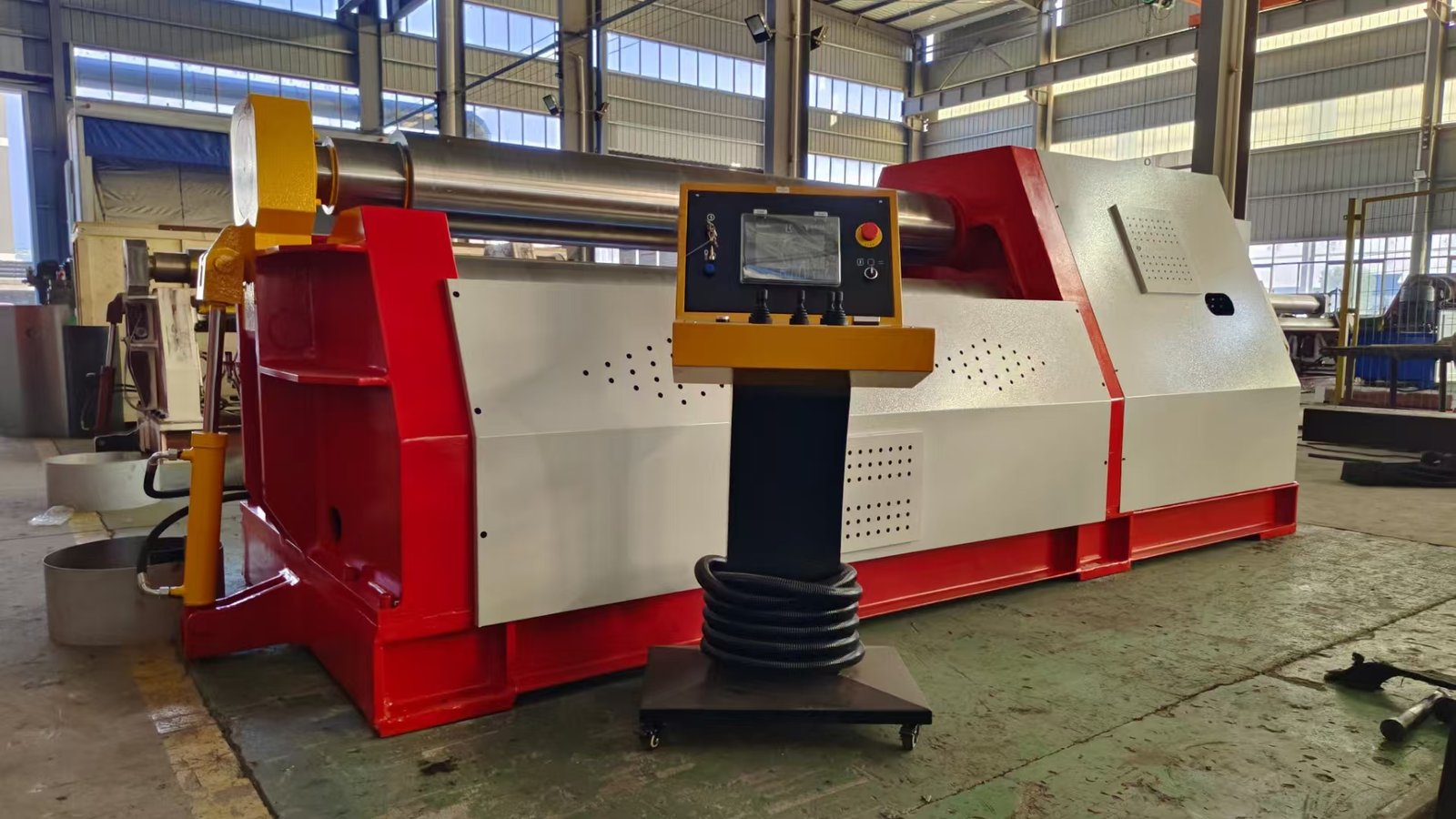
Before initiating the automated loading and unloading programme, technical personnel must accurately input material parameters based on CAD drawings and process sheets. These include core indicators such as sheet dimensions, thickness, density and yield strength. The system will automatically optimise the robotic arm’s movement trajectory and suction/clamping parameters based on this data, thereby achieving intelligent adaptation.
2. Optimised Selection of End-Effector Tools
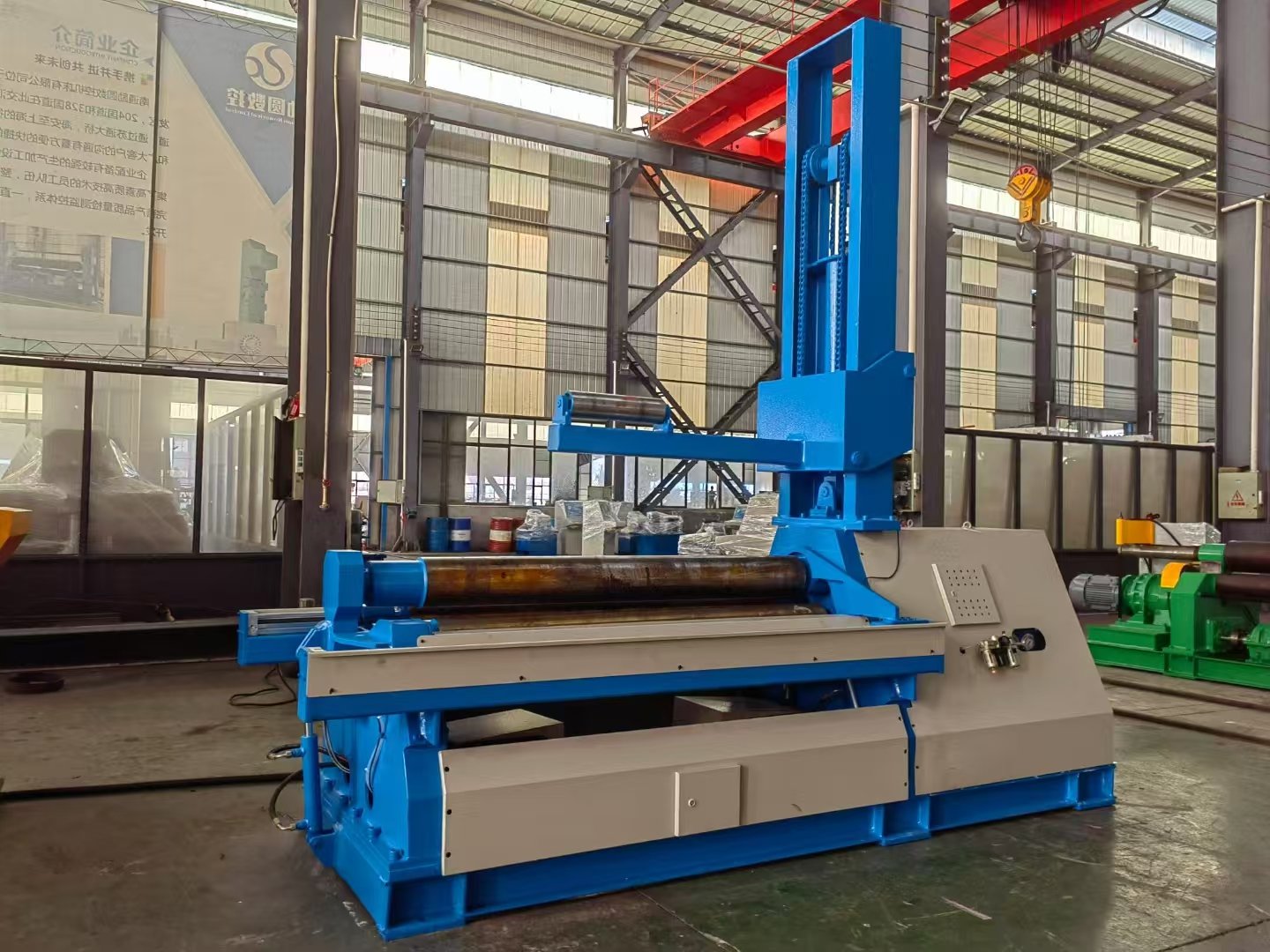
Automated clamps or suction cups must be selected appropriately based on the sheet material (cold-rolled steel, aluminium sheets, plastic sheets, etc.) and surface quality requirements. Correct tool selection maximises handling efficiency, prevents surface scratches and deformation damage to the sheets, and simultaneously reduces the workload on the mechanical actuators.
3. Standardised Execution of Operating Procedures
Operators must strictly adhere to SOPs (Standard Operating Procedures) when starting, stopping and intervening in the system. At the same time, a mechanism for regular equipment inspections and preventive maintenance must be established, focusing on checking the robot’s positioning accuracy, sensor signal sensitivity and wear on transmission components, to ensure the equipment remains in optimal operating condition over the long term and to extend its service life.
4. Closed-Loop Management of Workplace Safety
During automated operations, awareness of safety red lines must be reinforced at all times. Physical barriers should be established through hardware measures such as safety light curtains and zone protection. Should any abnormal signals be detected, the system must immediately trigger an emergency stop interlock to ensure the safety of both personnel and machinery. Enterprises must regularly organise safety skills training for all staff to enhance emergency response capabilities.
If you would like to find out more about roll forming machines:https://plsoncnc.com/product-category/rolling-machine/
Roll Forming Machine Video:https://www.youtube.com/shorts/RBn_PX9gIQg